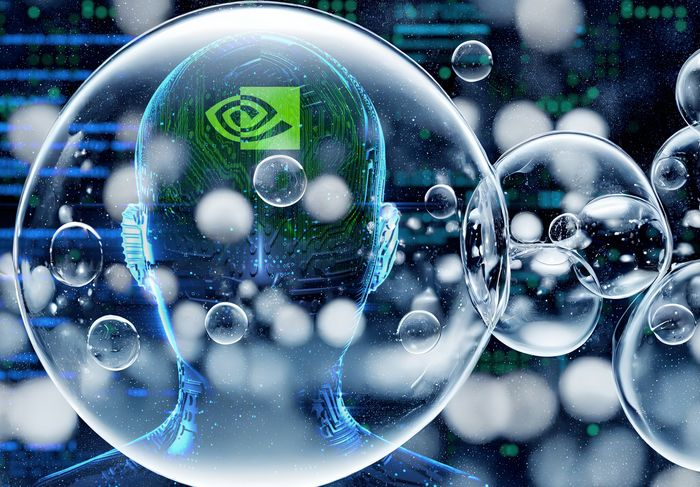
The earnings report for Nvidia triggered a broader hype among stocks even remotely related to artificial intelligence. Companies like C3.AI, for example, rose up to 57% since May 24th, when Nvidia announced its earnings, and remains more than a third above its price before May 24th even as its earnings have disappointed.
Palantir, a company that specializes in building applications utilizing artificial intelligence mainly for defense that has begun to show some serious potential as of its latest earnings report, rose up to 10% in after-hour trading following Nvidia’s earnings report. Following a series of government contracts with Ukraine and the Special Force Command, the stock rose further to more than $15, extending a rally that began last month.
Today, Palantir announced a contract with Panasonic to improve its processes at its Nevada factory, which is a joint venture between Panasonic and Tesla. This was supposed to be a major step into the commercial sector by Palantir which main business used to be with national governments. The stock soared as high as $17.
But as the skies of New York grew red from the Canadian smoke, so did tech stocks.
As inflation and interest rate concerns weighed on the market once more, the NASDAQ-the index tracking the tech sector, once considered to be a safe haven due to the recent AI hype-dropped 200 points from its peak today. The ensuing fallout led Palantir’s stock to drop a whopping 13% from its peak on which was supposed to be a momentous day for the company as shown by investors’ initial reaction.
This is probably deja vu to many people who saw what happened in 2000. The popularization of the Internet created a frenzy in the stock market that caused many gravity-defying stocks that relied on nothing but inflated projections, which investors happily trusted due to their inflated projections of what the Internet would bring. But as macroeconomic concerns came into the picture, usually triggered by interest rates, it all comes crashing down, leaving millions of broke investors and bagholders in its wake. Not even the most promising of tech companies were spared. Microsoft fell by more than half in the span of 16 months. Apple fell by 76% in the span of nine months.
Both the reckoning of 2000 and the dramatic pullback today both illustrate one simple reality: no company can defy gravity forever, no matter how novel, or how promising your technology is. If the price of a stock is skyrocketing to unimaginable levels in the absence of any hard earnings data, beware. If you think that something is unsustainable, it probably is. The main takeaway should be that macroeconomic conditions always matter. While this may fly past the mind of a retail investor, sooner or later it will come back to bite. If you’re banking on making major gains based to noise instead of real earnings, there will be the day when reality sets in for the broader market and all the gains you’ve made will evaporate. Just when you think stocks will go up forever, reality sets in. And previously excited traders become agonized over why they didn’t see this coming. Cue the old Wall Street adage: “You can’t go broke taking profits.” Warren Buffett might disagree with this, and as a value investor, he’s probably correct. But to traders, this can’t be more true.
Of course, artificial intelligence has its potential. As Jensen Huang said during Nvidia’s earnings call, it has the potential to “make everyone a programmer”. If you’re not one of those who cashed out recently, and if you’re certain you’re going to gain from AI, remember this: Time in the market is better than timing the market. You’re going to be in it for the long run, and in general, a dip should be viewed as an opportunity to buy more instead of a disappointment.
But the time window for traders to bet on the current AI hype seems to have closed as macroeconomic concerns re-emerge ahead of inflation data and the Fed meeting next week. These, along with persistent recession concerns, will hit tech particularly hard, and it will be a while before we are able to see the bottom. Traders and investors alike should stay away from tech for the time being.
 Jason's World
Leave a comment