On Wednesday, Nvidia was able to once again come out with a stellar earnings report. The stock managed to rise to as much as 520 after-hours, but it has given up all these gains and has ended the week at 460, lower than its Wednesday closing price, 470.
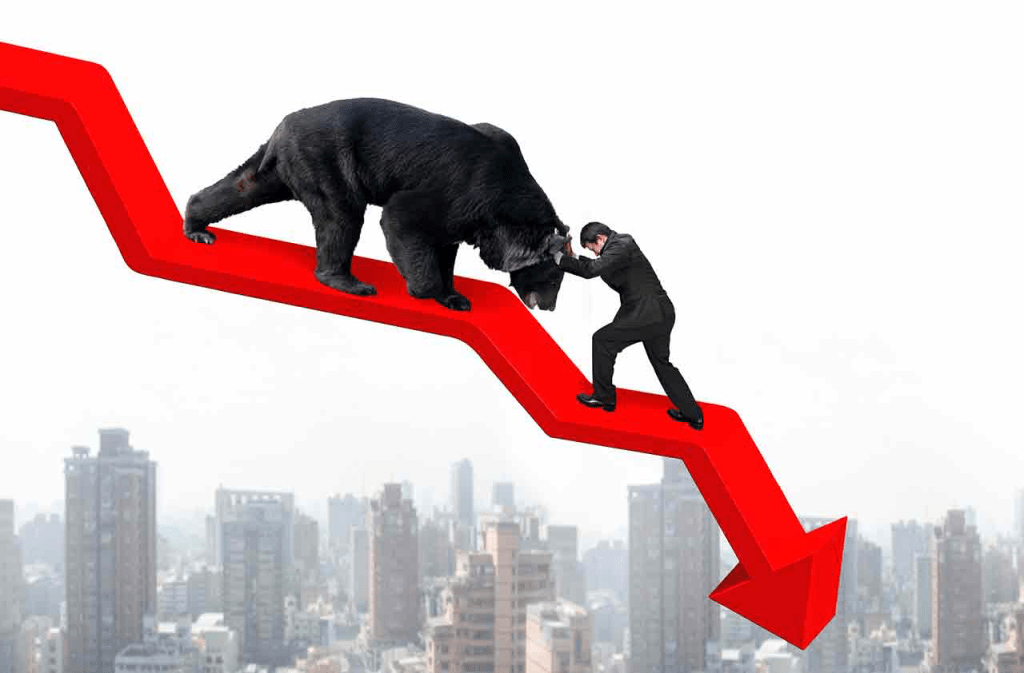
This shows that the era of exuberance that began in May/June is over. Gone are the days where people were constantly talking about AI and its future potential.
Maybe it’s because all the hype has been priced in-after all, Nvidia is still up 15% since its May earnings report, far outpacing the growth in the Nasdaq index since that day. But the last time that Nvidia’s stock was that unresponsive to an earnings report came at a time where we were in the depths of the pandemic, and IV figures predicted a dramatically larger move than what transpired.

One can argue that the anxiety surrounding the Jackson Hole speech by Chairman Powell soon after overshadowed most of the excitement for AI. At a time where the economy is expected to struggle to adjust to the end of the low-rate era, with many companies employing capital structures that would be unsustainable in higher-rate environments, the interest rate policy going forward will have a great bearing on how bad the fall for these companies would be. This is a massive downside for the economy-globally there is $12 trillion in speculative-grade debt. Regardless of whether the US manages to avoid a recession, the wave of high-yield maturities will be a significant drag on the economy for years to come with the current interest rate environment.

These defaults may lead to dampened business activity because of a lengthened increase in perceived risk of both starting a business and investing in them through bonds. This sounds kind of familiar to what happened in Japan-people became so disenchanted with the economy that their spending declines long term, and with it the economy is dragged down.
On Friday, Chairman Powell’s speech came as no surprise-he just said the same thing he has been saying about the need for moderated economic activity-but markets popped, citing Mr. Powell’s optimistic economic outlook. But it many not last given the Fed’s current leaning towards controlling inflation at all costs, which leads to the logical conclusion of Mr. Powell seeing an optimistic economic outlook as a threat to the goal of bringing down inflation that needs to be crushed. Overall, the message that Mr. Powell is sending is cautious albeit leaning more on the hawkish side, as he mentions the ambiguity around whether the previous rate hikes have ran their course through the economy.
The next week will be a moment of truth of sorts for markets. The release of the July reading of the Fed’s favorite inflation gauge as well as the August jobs report will give markets more clue as to whether the economy has moderated, whether inflation has declined enough in the Fed’s eyes to put us on a solid trajectory to 2% inflation. The future of this bull market is as stake; any indication that the economy is more heated than expected will add fuel to the fire of “higher for longer”.
 Jason's World
Leave a comment