Wednesday’s inflation report should have been a big negative for stocks-inflation came in higher than expected, in yearly terms and in monthly terms. The core monthly inflation rate was higher than expected, and the top-line inflation rate was also higher than expected, after months of lower-than-expected inflation rates creating widespread optimism for a Fed pivot. Indeed, immediately after the report, futures tumbled. But they recovered quickly, and on Wednesday, stocks barely moved at all.
Markets appear to largely brush off the higher-than-expected inflation numbers, as well as the fact that the expected inflation number already represents a significant acceleration in the inflation rate from last month. Judging from the market’s immediate reaction to the inflation report, most analysts have concluded that the high inflation rate can be explained by higher gas prices, and therefore didn’t matter as much. The fact that the core inflation rate went down, was according to analysts, the most important indicator of current inflationary pressures. The risk of further rate hikes because of this increased inflation was dismissed because, according to markets, increased energy prices were mostly a result of foreign price cuts and was outside of the Fed’s control.
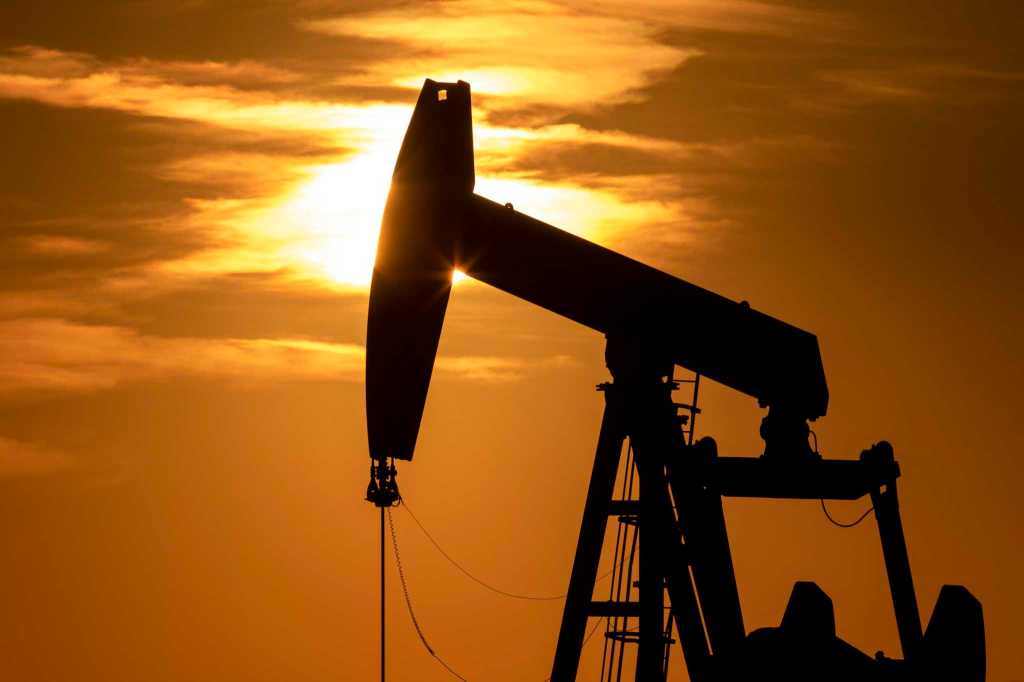
Except the price of oil can influence prices in many ways. The most immediately obvious and important part is that oil is essential for most transportation to function. Even though major EV manufacturing deals dominate the headlines, the fact is that internal combustion engines will dominate the American automotive landscape for years to come. Oil is essential to the functioning of nations-it is the backbone of all trade, transportation and travel. Without oil, cars, planes and ships would not be able to function, thereby paralyzing international commerce. When oil prices increase, the price of everything increases-not just because oil is involved in the production of many things but also because you have to use oil to get goods to market. Even though the impact of oil prices on the economy has diminished with the growth of the services sector, oil nonetheless retains an oversized influence over prices.
The President’s rescinding of Alaska oil drilling leases is expected to further constrain supply and put continued upward pressure on oil prices. While a 1973-style scenario is not likely at this moment, the oil and inflation crises of the 70s was caused by a combination of foreign oil shortages and declining domestic production. Despite increasing oil production, the U.S. remains heavily reliant on foreign oil-in 2022, the U.S. imported 8.32 million barrels of oil per day, 41% of the oil it consumed in 2022. This is due to the fact that overseas oil is relatively cheap, and most American refineries have been accustomed to processing foreign oil (which is much cheaper to refine), which is more sour and contains more sulfur than American oil which is lighter and sweeter. In 1973, oil imports accounted for 30% of American oil consumption, which is a smaller portion than in 2022.
Though the risk of a major oil shock remains low, the price of oil is definitely something that could upend the US’s path to 2% inflation. And even though analysts generally characterize the energy-fueled inflation spike as something out of the Fed’s control and therefore not a reason for the Fed to be hawkish, it must be remembered that the Fed hiked interest rates from 10% to 17% after inflation spiked following the oil crisis caused by the Iranian Revolution, which caused world oil supply to fall by 4%. In contrast, the current oil production cuts by OPEC amount to around 2.6% of the world’s oil production. The market at large has appeared to ignore these parallels at first, but stock market data showed a different scene on Friday.
 Jason's World
Leave a comment